
Bloomington Residents Call for Stricter Data Center Regulations and Bans
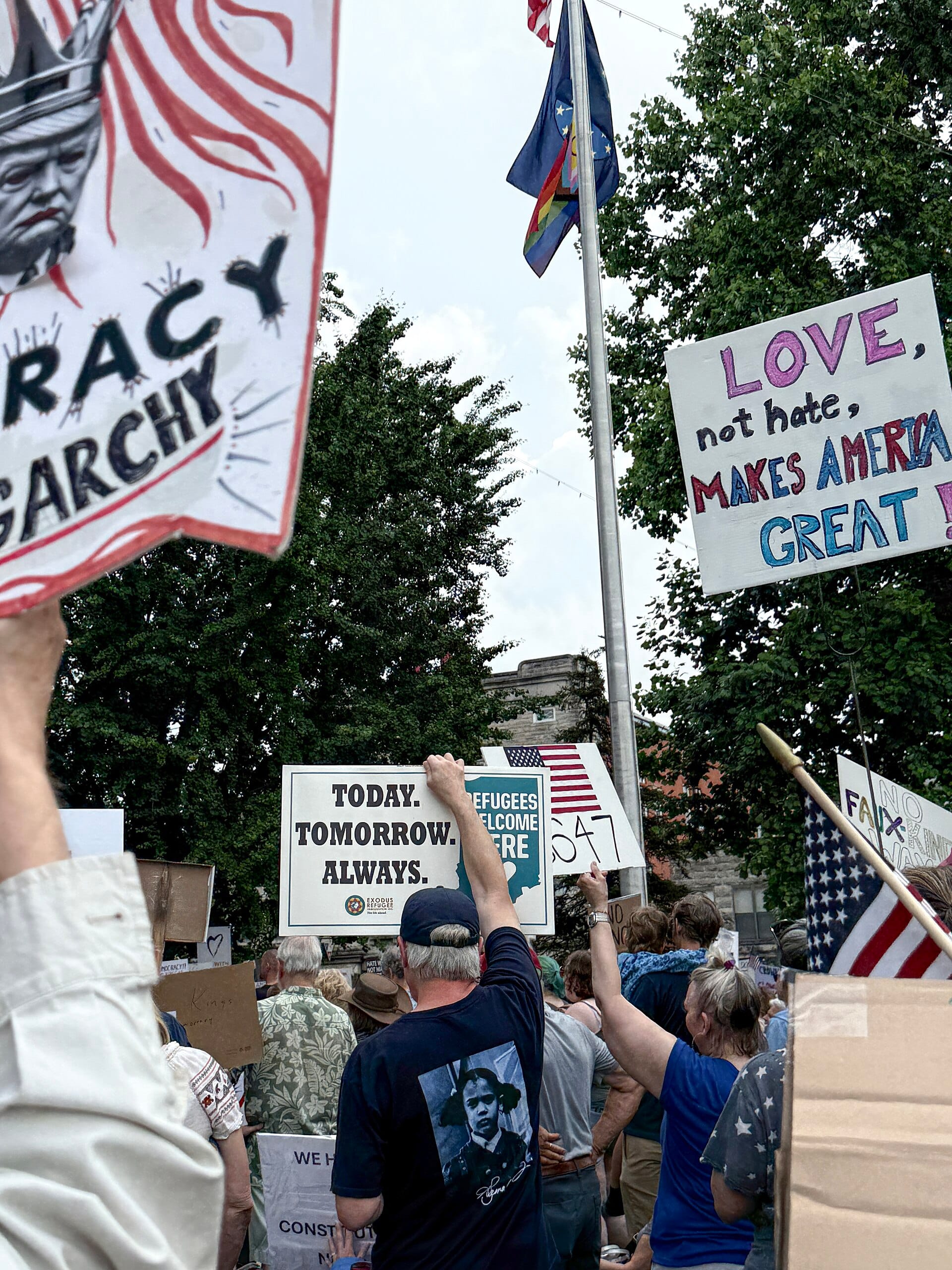
At a special hearing of the City of Bloomington planning commission, over 110 people convened to discuss proposed data center regulations. The public comment period, which drew at least 42 speakers, extended into the evening, with many attendees expressing demands for outright bans on data centers and stricter limits on their development, according to WGLT.
Bloomington's Approach to Data Center Regulation
The City of Bloomington has drafted a set of proposed rules for data centers. These regulations aim to define various types of data centers, identify acceptable zoning locations, and outline community benefits. They also require reports on water and power usage, noise, and vibration, and set limits on design features, power consumption, noise, and water use. Additionally, the draft includes procedures for decommissioning and proposes fines and fees for violations of city rules, as reported by WGLT.
The draft regulations were introduced approximately one month before the city's six-month moratorium on data centers exceeding 5 megawatts is set to expire on November 16. Following a second public hearing scheduled for the same date, the commission is expected to deliberate, vote, and provide a recommendation to the Bloomington city council for a final vote on November 23.
Public comments at the hearing highlighted several concerns. Gil Brockway, representing Laborers Local 362 and Livingston & McLean County Building Trades unions, emphasized the economic benefits of data center construction, citing "family-sustaining benefits and fair prevailing wages" that contribute to the local economy. He stated, "Data centers are the backbone of the digital economy, and our local unions are ready to be the backbone of their construction," according to WGLT.
Conversely, Bloomington resident Ashley Farmer raised concerns about potential local tax incentives. She noted that while Governor JB Pritzker paused new state tax incentive deals for data centers, Bloomington's draft land use rules do not address local property tax abatements, TIF districts, enterprise zone benefits, or publicly funded infrastructure. Farmer argued these should be "off the table entirely." She cited a Gallup poll indicating that jobs are the primary reason for public support of data centers, but referenced the nonprofit Good Jobs First, which suggests data centers create few jobs despite large capital investments. Farmer concluded that data centers have limited economic impact on a region beyond electricity and water consumption, and that communities should be able to reject data center development, as reported by WGLT.
Ruth Burke, a resident of unincorporated McLean County, expressed concern that the draft regulations could reduce public input on data center siting. She pointed out that under the draft, a data center consuming just under 10 megawatts on less than 10 acres could be built in a Manufacturing 2 zoning district without a public hearing, special use permit, or vote. Burke described this as "not a server closet. That is a neighborhood full of power," according to WGLT.
Strategies from Companion Communities
Other communities have also grappled with data center proposals, employing various tactics:
Bangor, ME: In Maine, the issue of data centers has become a point of contention in political campaigns. Both Senator Susan Collins and former state Senate President Troy Jackson have adopted a position of establishing "guardrails" for data centers, focusing on ensuring they do not impact water usage or increase electricity costs for ratepayers, and emphasizing the importance of local agreements, as detailed by The American Prospect. Senator Bernie Sanders (I-VT), who has endorsed Jackson, has introduced a national data center moratorium proposal. A University of Massachusetts Lowell/Center for Public Opinion poll indicates that 72 percent of Mainers oppose siting data center projects.
New York, NY: In New York's 17th congressional district, both Republican incumbent Mike Lawler and Democratic challenger Cait Conley have taken tech-critical stances regarding AI and data centers. During a debate, both candidates advocated for industry "guardrails." Conley supports Democratic Governor Kathy Hochul's data center moratorium, while Lawler favors local zoning control. Each candidate attempted to link the other to the tech industry in a negative light, demonstrating that being explicitly pro-data center is politically challenging in this race, according to Reason.
South Elgin, IL: Illinois Governor JB Pritzker has expressed optimism about legislation to regulate data centers, despite some disagreements. He has previously called for the passage of the POWER Act (Protecting Our Water, Energy, and Ratepayers), which would hold data centers accountable for energy costs and environmental protections, though he has not advocated for a total moratorium on data center construction in Illinois, as reported by the Chicago Tribune.
Vineland, NJ: In Vineland, New Jersey, local activists have filed a lawsuit against DataOne, the developer of a large AI data center, and the city's planning board. The lawsuit, filed by Sustain SJ, challenges the planning board's approval of revised plans for the data center, citing concerns over zoning and potential flooding. The group seeks to overturn the approvals and invalidate a 2022 city ordinance that they argue improperly allowed industrial development on land previously zoned for residential use. Residents have raised concerns about noise, water use, flooding, and natural gas storage. DataOne's engineer has disputed claims that the proposed drainage system is flawed, stating it meets state requirements, according to NJ.com.
What Remains Undecided
In Bloomington, the planning commission's deliberation and vote on the proposed data center regulations, as well as their recommendation to the city council, are pending. The city council's final vote on November 23 will determine the future regulatory framework for data centers in Bloomington. The extent to which public calls for stricter limits or outright bans will influence these decisions remains to be seen. The expiration of the current moratorium on November 16 adds urgency to these ongoing discussions.
Across other communities, the balance between economic development and environmental/community impact continues to be debated. Maine's political figures are navigating the call for "guardrails," while New York's candidates are strategically positioning themselves on tech regulation. Illinois is working through legislative disagreements on data center regulation, and in Vineland, New Jersey, legal challenges are actively seeking to halt data center expansion based on zoning and environmental concerns. These situations highlight the complex and evolving nature of data center development and regulation at local and state levels.