
Data Center Proposals Prompt Federal Lawsuits, Moratoriums, and Policy Debates
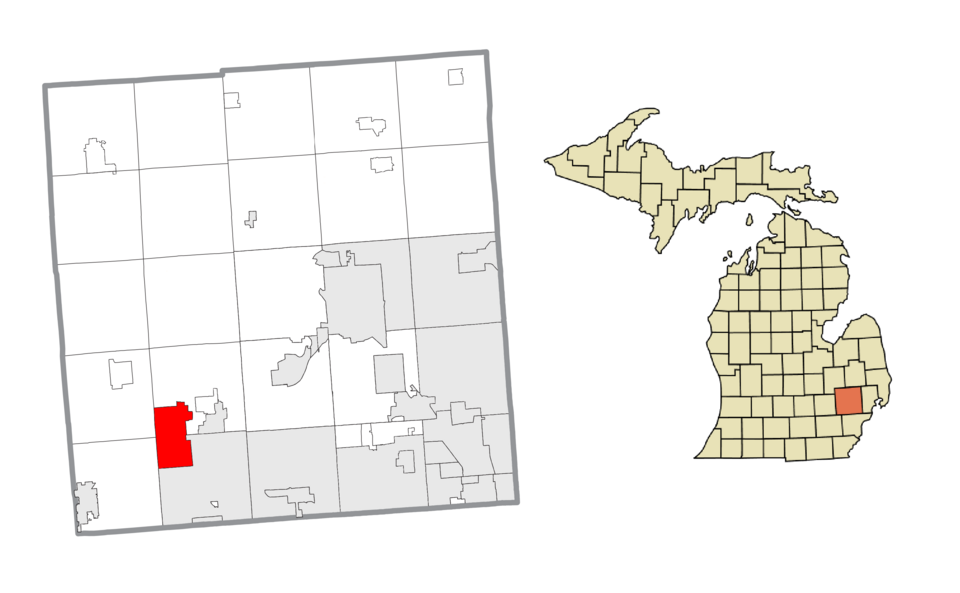
In Wixom, Michigan, the city council scheduled meetings to evaluate a controversial data center proposal and an accompanying federal lawsuit, as reported by MLive. Developer Wixom Industrial One, led by Dennis Griffin, along with partner Sansone Group, proposed building a three-building, 519,000-square-foot complex across 54 acres of light-industrial land at 30625 S. Wixom Road.
Procedural History and Litigation in Wixom
According to MLive, the Wixom City Council enacted a six-month moratorium on data center developments in March 2026. On July 14, the council declined to lift the moratorium and rejected a first reading of proposed zoning code amendments intended to regulate such facilities. On August 7, Wixom Industrial One and Sansone Group filed a federal lawsuit against the city, asking a federal judge to rule on whether the project may proceed.
Residents from Wixom and adjacent towns have raised concerns during public meetings regarding noise levels, water consumption, potential water contamination, utility pressures, construction traffic, and decommissioning plans. In response, the council prepared a revised ordinance covering noise standards, water use, utility infrastructure, and compliance. City Manager Steve Brown noted in a memo that certain suggested amendments were omitted because
"they are either unenforceable as a zoning ordinance standard, or preempted by state or federal statutes."
While state law prohibits municipalities from banning data centers outright, planning commissions may require developers to satisfy extra standards under special-use approvals. Both Wixom Mayor Pat Beagle and City Manager Brown declined to comment on the active litigation.
Tactics and Strategies Across Companion Communities
Municipalities and policy groups across the country are employing several distinct administrative, legal, and legislative measures to address data center proposals:
Judicial Injunctions and Environmental Claims: In Lowell, Massachusetts, a Superior Court judge temporarily blocked a permit allowing the Markley Group to install four backup diesel generators for a 352,000-square-foot facility expansion, as reported by MassLive. The ruling stemmed from a lawsuit brought by local residents against the developer and the Massachusetts Department of Environmental Protection, asserting that regulators failed to account for the neighborhood's existing pollution burden. Judge C. William Barrett noted that
"attempts to engage with the community were lacking"
while pausing further generator installations as the lawsuit continues. Lowell had enacted its own data center moratorium earlier in March.
Subsidy Elimination and Statewide Moratoriums: A report from the N.C. Justice Center highlighted by The Charlotte Observer recommended that North Carolina eliminate state and local tax incentives for large-scale data centers, such as proposals in Rural Hall and Walnut Cove. The report urged state lawmakers to enact a 2-to-3-year moratorium on hyperscale projects to allow time for policy adjustments regarding utility impacts, air quality, and water safety. North Carolina's recent budget eliminated a sales tax exemption on electricity for data centers, a change projected to generate significant state revenue.
Energy Grid Reform and Local Mandates: As reported by wglt.org during an agricultural forum in McLean County, Illinois, political leaders debated regulatory frameworks for data centers. Republican gubernatorial candidate Darren Bailey voiced support for eliminating corporate tax incentives, requiring facilities to supply their own water and power, and keeping zoning authority with local government units. Governor JB Pritzker emphasized efforts to reform Regional Transmission Organizations (RTOs) like PJM and MISO to prevent out-of-state electricity consumption from driving up local consumer rates.
Addressing Oversight Gaps: In San Francisco, California, District 10 Supervisor Shamann Walton pointed out that two proposed surveillance data centers in Bayview Hunters Point and near the Cow Palace advanced through planning boards or state-level authorities without initial local community input, according to San Francisco Bay View. The publication noted that communities nationwide are seeking moratoriums or challenging developments over water usage, noise pollution, and ecological disruptions.
What Remains Undecided
Key legal, regulatory, and policy issues remain unresolved across these jurisdictions:
- In Wixom, the federal court has not yet ruled on the developer's lawsuit regarding the city's moratorium, and the council must decide whether to adopt the revised zoning ordinance upon its second reading.
- In Lowell, the lawsuit challenging the Massachusetts Department of Environmental Protection's approval of the Markley Group expansion remains pending before the court.
- In North Carolina, state legislators have not yet addressed recommendations for a multi-year statewide moratorium on hyperscale data centers or full public disclosure requirements for corporate subsidies.
- In Illinois and California, discussions regarding regional grid restructuring, off-grid energy self-sufficiency mandates, and municipal oversight of state-controlled properties remain ongoing.