
South Fork Approves Small-Scale Data Center
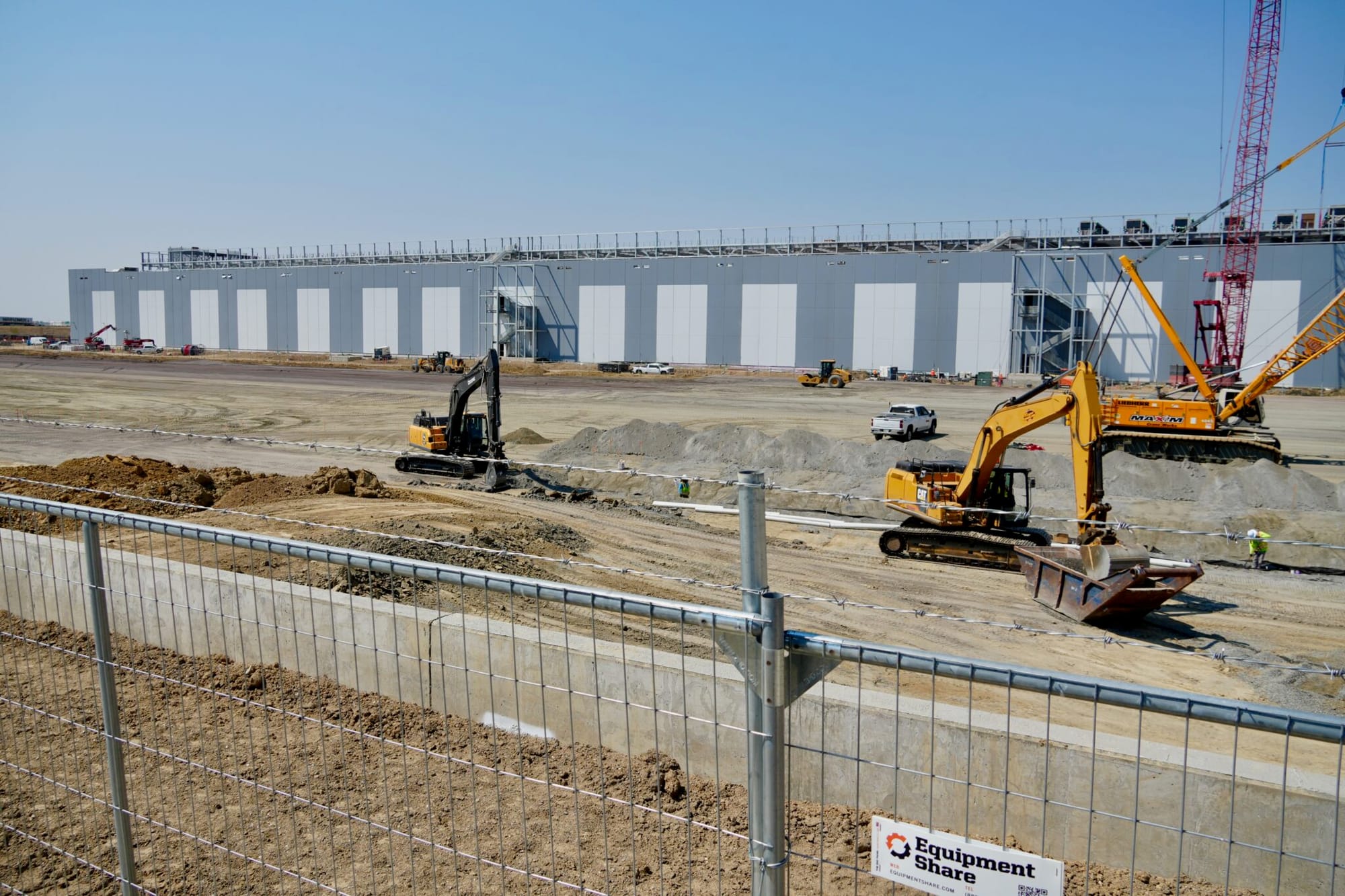
Alamosa County (Colorado) commissioners approved a special use permit on September 9 for a small-scale, container-based data center near Hooper in a 3-1 vote. This decision followed months of public discussion and moratoriums in other parts of the San Luis Valley, as communities weighed the potential benefits of new development against concerns regarding water, power, noise, and local control (The Valley Courier).
What South Fork Tried
South Fork approved a one-year moratorium in June to allow town officials time to evaluate the issue, engage with residents, and draft potential regulations before any data center proposals emerged (The Valley Courier). At a July 15 Planning and Zoning Commission meeting, Town Administrator Hank Weber clarified that no company had approached the town about building a data center, addressing what he called "a whole lot of misinformation out there" (The Valley Courier).
Monroe Johnson, chief technology officer for San Luis Valley Rural Electric Cooperative (SLVREC), spoke to South Fork residents, acknowledging concerns about water use, environmental impacts, and power demand. Johnson differentiated between large hyperscale data centers, which use significant amounts of water, and smaller modular facilities built in Conex-style containers, stating there is a "massive, massive difference" (The Valley Courier). However, residents still questioned the impact of even smaller facilities on the local grid. When asked if one container using one megawatt could consume as much power as the town, Johnson responded, "Yeah, that could happen," while explaining how new commercial loads would be managed (The Valley Courier).
The specific proposal considered by Alamosa County was from David Meyer of Strata Inc., requesting a special use permit for an 80-acre tract near Hooper, zoned Rural and designated for Agriculture and Rural Preservation (The Valley Courier).
Strategies from Companion Communities
Several other communities have implemented moratoriums or restrictions in response to data center proposals:
- Saguache County, CO: Earlier in the year, Saguache County placed a moratorium on data center projects to gather more information (The Valley Courier).
- Rio Grande County, CO: Residents brought concerns to county commissioners, requesting a moratorium and an environmental impact assessment related to a potential data center initiative. Commissioners acknowledged the concerns and were investigating operational details (The Valley Courier).
- Chatham County, NC: The Board of Commissioners unanimously approved a temporary, 155-day moratorium on large-scale data center development (10 megawatts or greater) in unincorporated areas, also prohibiting the conversion of warehouses to data center use (WSAV News 3). Commissioners discussed extending the moratorium to include micro data centers, but county attorneys needed more time to define them and assess legal restrictions (WSAV News 3). The moratorium allows time to study electricity use, water consumption, noise, and infrastructure needs (WSAV News 3).
- Versailles, KY: The City Council unanimously approved a data center moratorium lasting through December 31, disallowing the planning commission and local government from considering permits or plans for data centers (yahoo.com). This action followed similar measures taken by the Lexington-Fayette Urban County Council (yahoo.com).
- Vineland, NJ: Residents have expressed concerns about noise from a large data center operated by DataOne for Nebius, which provides computing capacity to Microsoft (The New Republic). This facility requires nearly double the electrical generation capacity of the entire city (The New Republic). More than 500 counties or municipalities nationwide have blocked or restricted data center development, and in New Jersey, 38 municipalities have implemented bans (The New Republic).
- Lowell, MA: A coalition of 10 residents filed a lawsuit in Middlesex Superior Court against the Massachusetts Department of Environmental Protection and Markley Group LLC in April. The lawsuit challenged MassDEP's authorization of Markley's operation of 27 industrial diesel backup generators and 16 cooling towers in a residential area prior to final plan approval, citing a "flawed air quality plan" (Boston Herald).
What Remains Undecided
In Chatham County, commissioners are still considering whether to expand their moratorium to include micro data centers, pending further research by county attorneys on definitions and property owner rights (WSAV News 3). The current moratorium is set to expire on February 16, 2027, but can be extended if needed (WSAV News 3). Commissioners also continue to discuss the potential pros and cons of having data center development in unincorporated Chatham County (WSAV News 3).
In Lowell, the lawsuit filed by residents against the Markley Group and MassDEP regarding air quality and permitting for backup generators and cooling towers is ongoing (Boston Herald).